1. Introduction to the Journey
Buffalo, New York, located on the eastern shore of Lake Erie, and Pittsburgh, Pennsylvania, situated at the junction of three rivers, are two cities with rich industrial histories, distinctive architectural styles, and a deep-rooted cultural character that reflects the northeastern spirit of the United States. Traveling between these two cities unveils a route filled with scenic routes, historical stops, and various logistical options.
Although the straight-line distance between Buffalo and Pittsburgh is approximately 190 miles (roughly 306 kilometers), the actual traveling distance via available infrastructure is closer to 215–230 miles depending on the route and mode of transportation. This corridor serves business travelers, college students, weekend explorers, and those visiting family across state lines.
What follows is a comprehensive exploration of all the mainstream and alternative ways to make the journey between Buffalo and Pittsburgh, including detailed insights into driving, flying, train travel, intercity buses, ridesharing, and even more unconventional options.
2. By Car: The Road Trip Experience
Route Overview
Driving remains one of the most common and practical options. The most direct route is via Interstate 90 West from Buffalo, followed by Interstate 79 South from Erie to Pittsburgh. This route, spanning approximately 215 miles, typically takes about 3.5 to 4.5 hours, depending on traffic and weather conditions.
Key Routes:
- I-90 W → I-79 S: The standard and fastest route, primarily on highways.
- US-219 S → US-22 W: More scenic, passing through the Allegheny Mountains and small Pennsylvania towns.
- NY-16 S → PA-66 S: Offers a rural countryside view, with more curves and variable conditions.
Pros
- Full control over the schedule: Depart and stop whenever desired.
- Scenic flexibility: Opportunity to detour through Lake Erie Wine Country, Allegheny National Forest, or Amish regions of Pennsylvania.
- Ample rest areas: Numerous highway service stops along the route.
- Cost-effective for groups: Especially when split among two or more passengers.
Cons
- Weather dependency: Snowstorms and heavy rains can heavily impact driving, particularly in winter months.
- Toll roads: Portions of I-90 and I-79 include tolls, especially in New York State.
- Fatigue: Solo drivers may experience driving fatigue on longer routes.
- Traffic congestion: Urban areas such as Erie and outskirts of Pittsburgh can become congested during peak hours.
Estimated Cost Breakdown (One-Way):
- Gasoline: $25–$40 (depending on fuel efficiency)
- Tolls: $5–$12
- Food/Refreshments: $10–$20
- Parking in Pittsburgh: $10–$25 per day (varies by location)
Recommendations
- Vehicle Preparation: A standard oil check, tire inspection, and a full tank of gas are advisable before departure.
- Driving Apps: Navigation apps like Waze or Google Maps can assist in real-time traffic adjustments.
- Overnight Option: For those desiring a slower pace, stopping overnight in Erie offers a midway break with lakeside charm.
3. By Train: Amtrak’s Pennsylvanian Route
Service Overview
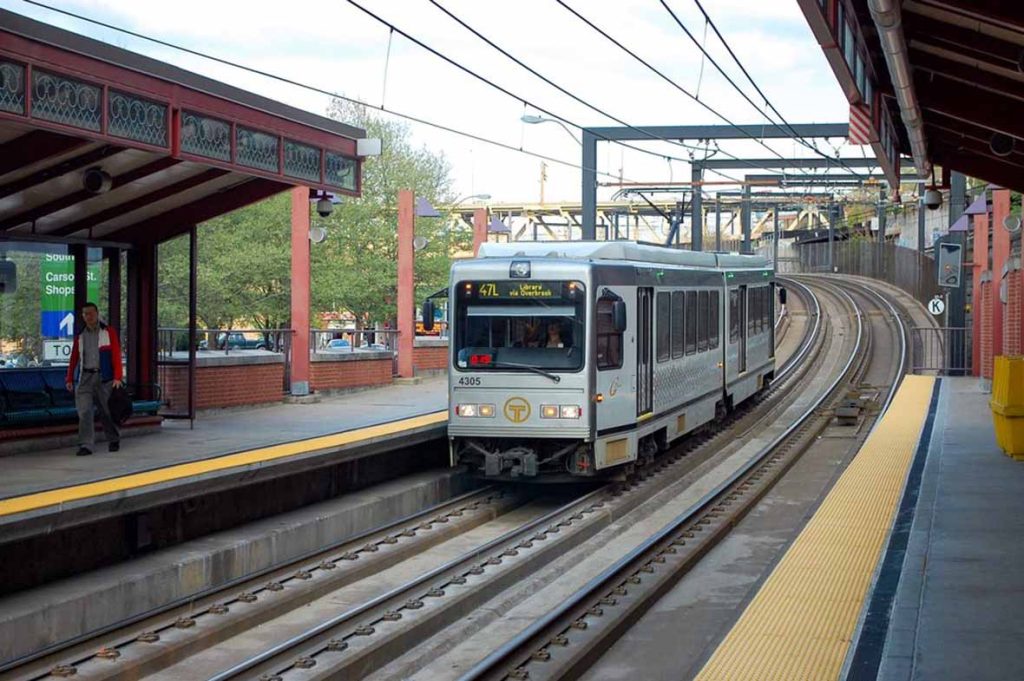
Amtrak offers a once-daily service connecting Buffalo to Pittsburgh via its Lake Shore Limited line connecting to the Pennsylvanian in cities such as Albany or New York City. However, there is no direct rail service currently between Buffalo and Pittsburgh.
Possible Routes
- Buffalo → New York City → Pittsburgh
- Buffalo → Albany → Pittsburgh (via Pennsylvanian)
Pros
- Comfortable seating: Spacious seats with extra legroom and the option to upgrade to business class or private rooms.
- Onboard amenities: Café car, Wi-Fi, power outlets, panoramic observation windows.
- Eco-friendly: Rail travel is among the lowest carbon footprint options.
- Station architecture: Historic train stations like Buffalo Exchange Street and Pittsburgh Union Station offer a nostalgic experience.
Cons
- Time-consuming: Travel time ranges from 13 to 18 hours depending on transfer coordination.
- Limited frequency: One train daily, requiring strict adherence to schedule.
- No direct service: Transfer required in New York City or another station adds significant travel time.
Ticket Pricing (One-Way):
- Coach class: $100–$140
- Business class: $150–$200
- Sleeper cabins (if routing through NYC): $250+
Recommendations
- Booking in advance: Amtrak pricing fluctuates significantly. Early booking can reduce costs.
- Bring entertainment: The journey includes long segments without Wi-Fi, especially in mountainous regions.
- Consider scenic value: Passengers traveling for leisure may enjoy the extended ride through Pennsylvania’s natural landscapes.
4. By Plane: Fastest but Not Always Easiest
Airport Overview
- Buffalo Niagara International Airport (BUF): Well-connected, moderate traffic, 10 minutes from downtown Buffalo.
- Pittsburgh International Airport (PIT): Located 20 miles west of Pittsburgh’s city center.
Direct Flights
At present, no major airline offers a direct commercial flight between Buffalo and Pittsburgh. The route requires at least one stop, typically in a hub such as Philadelphia, Charlotte, or Washington, D.C.
Flight Duration
- Airborne time: 1 hour (if direct)
- Total travel time with layovers and ground transportation: 4.5 to 7 hours
Airlines
- American Airlines (via Philadelphia or Charlotte)
- United Airlines (via Newark or Dulles)
- Delta Air Lines (via Detroit or Atlanta)
Pros
- Speed in air: The fastest airborne route, even with a layover, is quicker than train travel.
- Frequent departures: Multiple connections daily.
- Airport amenities: Lounges, dining, shopping, and car rentals at both airports.
Cons
- Layovers: Almost all flights involve time-consuming layovers.
- Security and boarding time: Add at least 1.5–2 hours for check-in and screening.
- Higher cost: Flights are typically more expensive than buses or car travel.
Pricing Estimate (One-Way):
- Economy class: $180–$300
- Premium/Business class: $400+
Recommendations
- Ideal for tight schedules: For travelers who must make the journey same-day, air travel may be viable despite layovers.
- Use of travel points: Frequent flyer miles or credit card rewards may help mitigate high costs.
- Check for regional carriers: Occasionally, regional airlines like Boutique Air may offer charter services.
5. By Bus: Budget-Friendly and Accessible
Major Carriers
- Greyhound
- Megabus
- FlixBus
- Barons Bus Lines
Each offers varying levels of service, stops, and comfort. Departure points typically include Buffalo Metropolitan Transportation Center.
Duration
- Direct or single-transfer buses: 6 to 8.5 hours
- Multi-transfer options: Up to 10 hours depending on routes
Ticket Pricing
- Standard fare: $25–$60
- Early-bird deals: As low as $10
- Premium seating (offered by select providers): Slightly higher price with extra legroom and Wi-Fi
Onboard Features
- Wi-Fi and USB ports
- Reclining seats
- Overhead storage
- Restroom facilities
Pros
- Cost-effective: Among the cheapest ways to travel.
- Simple boarding: Minimal security checks, straightforward boarding.
- Urban terminal access: Stations typically located in city centers, reducing need for additional transit.
Cons
- Inconsistent punctuality: Delays due to traffic, weather, or driver changeovers.
- Limited comfort: Not ideal for those needing space or quiet.
- Stops in less desirable areas: Some transfers occur in remote or outdated terminals.
Recommendations
- Bring essentials: Snacks, water, a neck pillow, and earplugs can greatly enhance the experience.
- Track the bus in real-time: Most services now offer GPS tracking through apps.
- Plan for the unexpected: Pad the schedule in case of unforeseen delays.
6. Ridesharing and Carpooling Services
Platforms
- BlaBlaCar (availability varies in North America)
- Craigslist rideshare forums
- Private Facebook groups and university bulletin boards
Cost
- Shared ride: $30–$50 contribution for gas
- Private ride via Uber/Lyft: $250–$350 (based on surge pricing and availability)
Pros
- Flexible scheduling
- Opportunity for social interaction
- Cost-sharing reduces burden
Cons
- Reliability: Dependent on strangers’ schedules and trustworthiness.
- Limited luggage space
- Insurance ambiguity: Not all drivers have appropriate rideshare coverage.
7. Bikepacking and Cycling (For the Adventurous)
Route Consideration
Bicyclists with stamina and planning skills might take on this trip via a mix of U.S. Bicycle Routes, such as USBR 30 and the Great Allegheny Passage.
- Distance: ~250–300 miles depending on routing
- Time required: 3–5 days depending on pace
Pros
- Environmental impact: Nearly zero emissions
- Physical health: Excellent cardio workout
- Immersive experience: Stop freely, photograph, and camp as desired
Cons
- Physical demands
- Limited infrastructure in rural zones
- Requires advanced planning for accommodations and safety
8. Private Shuttle and Chartered Vehicles
Ideal For
- Small business groups
- Family reunions
- Sports teams
Options
- Private shuttle companies
- Chartered vans with drivers
- Corporate transportation services
Cost Estimate
- 12-passenger van: $500–$700 per day including driver
- Luxury vehicle: $1,000+ depending on class
Benefits
- Custom schedule
- Onboard amenities
- Group pricing flexibility
9. Waterways and Scenic Boat Options
Though there are no commercial passenger ferries operating between Buffalo and Pittsburgh, portions of the journey could, in theory, be done via waterways such as the Allegheny River and Erie Canal with significant planning.
Hypothetical Route
- Lake Erie → Erie Canal → Allegheny River → Pittsburgh
This is an ambitious, multi-week journey more suited to private yacht or historical recreation than typical travel. However, it remains a fascinating historical reminder of how these regions were first connected.
10. Final Considerations When Choosing a Mode of Travel
Factors influencing the best transportation method between Buffalo and Pittsburgh include:
- Travel purpose: Business, leisure, relocation, academic
- Budget constraints
- Time sensitivity
- Companions and group size
- Environmental priorities
- Luggage requirements
Each method offers a distinct perspective on the northeastern United States. Whether speeding across the sky, riding steel rails, winding through Appalachian highways, or rolling past towns tucked away in the hills, this corridor continues to embody the spirit of exploration and resilience.