1. Arrival in the Steel City: Savoring First Impressions
Touching down in Pittsburgh brought a crisp breath of steel-blue skies and a touch of river mist rolling through the three valleys. Pittsburgh is a city with industrial sinew and artistic soul — bridges spanning the skyline, red brick warehouses turned into tech incubators, and a cultural rhythm that pulses softly beneath its steel-laden past.
The culinary allure of the city has grown dramatically. Once considered a blue-collar food town, Pittsburgh has embraced its roots while elevating its dining scene with innovation and grace. Michelin may not officially rate restaurants in Pittsburgh, but several establishments have been recommended or included in Michelin-affiliated guides and rankings, putting the city firmly on the gastronomic map.
With weeks of research and careful reservations made in advance via Resy, Tock, and OpenTable, the journey into Pittsburgh’s fine dining scene unfolded in a series of refined encounters.
2. Altius: Dining Above the City
Perched atop Mount Washington, Altius commands a breathtaking view of Pittsburgh’s downtown skyline. The incline ride leading to the restaurant is a soft, nostalgic overture — wooden cars creaking uphill while the lights of the city flicker like champagne bubbles below.
The interior is sleek but not sterile — brushed metal, soft whites, and floor-to-ceiling windows. From the moment the amuse-bouche arrived — a delicate spoon of smoked trout mousse with pickled radish — it was evident that Altius would marry precision with flair.
The tasting menu began with a foie gras torchon, glazed with huckleberry reduction and paired with a brioche crumble. The contrast of sweet and savory, punctuated by microgreens and flaky sea salt, set the tone for what followed: a poached lobster tail in lemongrass consommé, seared A5 wagyu in a wild mushroom demi-glace, and a final course of Meyer lemon tart with brûléed Italian meringue.
Service was quietly orchestrated — each course introduced with confidence, but never intrusion. Wine pairings included a sharp Grüner Veltliner from Wachau and a deep, velvet Barolo that sang against the wagyu.
Reservations through OpenTable are essential, especially for window seating, which offers panoramic views and a chance to watch Pittsburgh glow in twilight.
3. Butterjoint: Casual Refinement with Unexpected Sophistication
At first glance, Butterjoint gives off an easy, tavern-like charm. Nestled in the Oakland neighborhood, near Carnegie Mellon and the University of Pittsburgh, it welcomes with the warmth of vintage wood paneling, dim lighting, and a bar that glows softly like bourbon in a glass.
What unfolds on the plate, however, is anything but rustic. Their beef tartare is hand-chopped to order, topped with cured egg yolk and accompanied by a house-made horseradish aioli. The pierogies — a nod to Pittsburgh’s Eastern European roots — are sautéed in brown butter and filled with aged cheddar and potato, served alongside fermented cabbage with caraway.
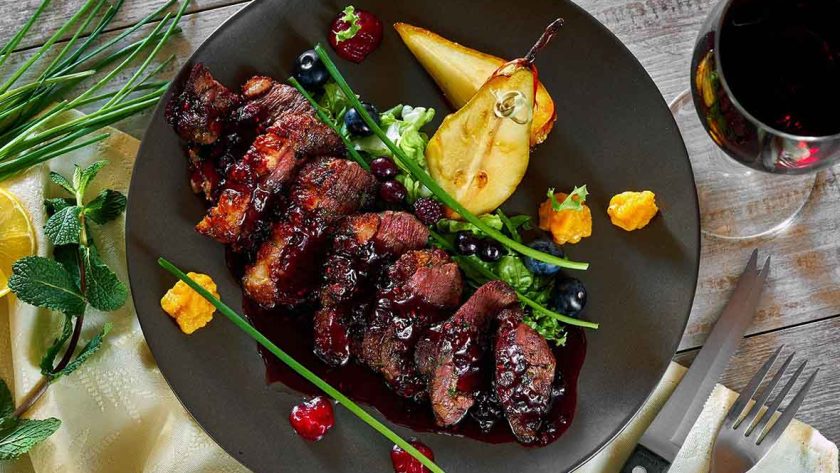
One standout course was the roasted duck breast, skin rendered to a crisp perfection, atop a bed of farro and cherry gastrique. It balanced richness with tartness, with textures that played across the tongue like a jazz quartet.
Butterjoint does not require tuxedoed formality, but it does reward the diner who pays attention to nuance. Dessert came in the form of a rye pie — nutty, slightly boozy, and completely singular. A sweet Riesling from the Finger Lakes finished the meal on a high note.
Reservations can be secured via Resy, which often releases tables two weeks in advance. It’s worth planning ahead, especially for Friday and Saturday evenings.
4. The Twisted Frenchman: Progressive French with Steel City Soul
Ascending into The Twisted Frenchman, one is greeted not only by white tablecloth elegance but by a whisper of molecular ambition. Located in East Liberty, this establishment blends classic French culinary technique with experimental edge, often incorporating local ingredients and regional traditions in a structured, theatrical tasting menu.
The progression began with a caviar bump — not on the menu but offered with a wink — followed by a beet and chèvre mille-feuille, constructed with geometric precision. The interplay between acidity and creaminess was masterful.
A scallop crudo course arrived in a glass cloche filled with cherrywood smoke. Once lifted, the dish was briefly kissed by smoke, revealing thinly sliced scallop cured with citrus oil and topped with a whisper of yuzu granita. Next was a ballotine of rabbit, layered with black truffle and foie gras, its richness countered by a purée of sunchoke and pear mostarda.
The wine program here is encyclopedic, and the sommelier’s pairing was confident yet thoughtful — a blend of Alsatian whites and Burgundy reds that matched the menu’s complexity.
Tock is the platform of choice for reservations, as The Twisted Frenchman offers prepaid tasting experiences, ensuring an organized and curated visit. Booking in advance is highly advised, especially for their Chef’s Table experience.
5. Morcilla: Spanish Revelry in the Heart of Lawrenceville
Morcilla captures the essence of northern Spain — San Sebastián-style pintxos meet Pittsburgh ingenuity in this bustling, brick-lined space in Lawrenceville. The bar is long and alive, the lighting golden, the air filled with the scent of smoked paprika and grilled chorizo.
Tapas here are not mere appetizers. Each plate offers a standalone narrative. The house-made morcilla (blood sausage) is dark, earthy, and spiced with precision, served with quince aioli. Grilled octopus arrives charred and tender, paired with romesco and black garlic.
A larger plate of suckling pig confit, slow-roasted and caramelized on the edges, brings the table to reverent silence. It is indulgent without being cloying, paired with cider-braised onions and a parsnip purée that speaks of both rusticity and refinement.
Dessert came in the form of an almond tarta de Santiago with crema catalana, a fitting nod to Iberian tradition. The sherry selection is vast — from dry fino to syrupy PX — and each glass poured with context and care.
Reservations are best made via Resy, especially for weekend evenings when the restaurant fills rapidly.
6. Eleven: Industrial Elegance and Culinary Gravitas
Part of the Big Burrito Group, Eleven occupies a renovated warehouse near the Strip District. With its open kitchen, exposed beams, and soft urban lighting, the space captures the tension between Pittsburgh’s industrial history and its culinary future.
The chef’s tasting menu is a tightly constructed arc — from crudo to chocolate — that unfolds with rhythm and elegance. A standout dish was the diver scallop with parsnip purée, finished with a brown butter vinaigrette and shaved hazelnuts. Each bite hovered between sweet and savory, with umami woven like silk.
A mid-course of braised veal cheek with celeriac and truffle jus captured a depth of flavor often lost in modern kitchens. The final savory offering — a dry-aged striploin with bone marrow béarnaise — was decadently primal.
The cheese course featured selections from local dairies: goat’s milk tomme, washed-rind cow’s cheese, and a pungent blue served with fig preserves. Dessert was an intricate layered chocolate entremet, subtly perfumed with orange blossom water and paired with an espresso reduction.
OpenTable handles reservations, and it’s advisable to request bar seating for solo dining or couples — the vantage point offers both intimacy and a view of the kitchen choreography.
7. Dish Osteria and Bar: A Hidden Italian Gem
Tucked away on a quiet street in South Side, Dish feels like stepping into a Neapolitan family’s private dining room. The low ceiling, flickering candles, and vintage photos transport diners far from the Rust Belt.
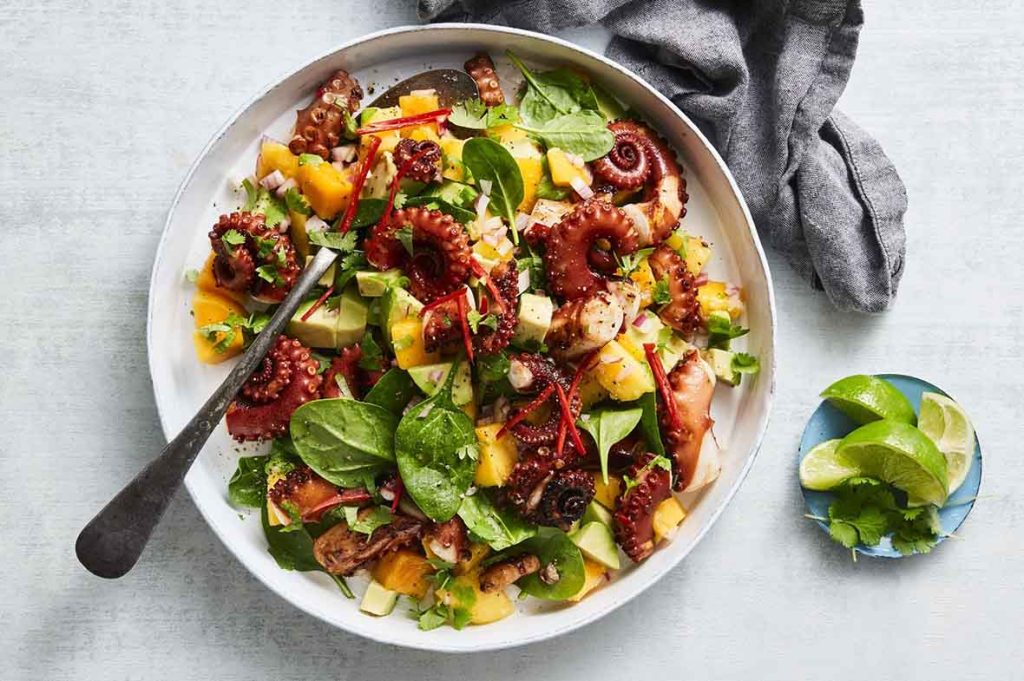
Starters included a warm octopus salad, gently poached and tossed with olive oil, lemon, and new potatoes. House-made tagliatelle with rabbit ragu followed, the pasta al dente and the sauce clinging like a lover’s memory.
The main course — a whole branzino, roasted with fennel and blood orange — was filleted tableside with delicate ease. The skin crisped perfectly, the flesh buttery, the accompaniments subtle yet effective.
A glass of Sicilian nero d’avola framed the dish, its bold structure softened by the gentle citrus notes of the fish. Dessert included a house tiramisu, served in a vintage coupe and doused in espresso so intense it almost hummed.
Reservations can be made via OpenTable, but a phone call is also an option for those who appreciate the old-world touch. It’s worth planning in advance — the space is intimate and seats are limited.
8. Fl.2: Art Deco Glamour Meets Contemporary American Cuisine
Inside the Fairmont Hotel downtown, Fl.2 is a study in modern elegance. Marble, brass, and velvet frame the space, while the menu draws from American classics with a global twist.
An appetizer of Hamachi crudo with watermelon radish and ginger ponzu opened the meal on a light, electric note. It was followed by short rib ravioli, each piece pillow-soft and steeped in reduction.
A main course of seared duck breast with lentils, citrus jus, and wild greens was a standout — simultaneously earthy and bright. The wine list leaned heavily into Old World selections, including a Sancerre that carried the citrus through like a conductor’s baton.
Fl.2’s cocktail program deserves mention, especially a smoked rosemary Old Fashioned served under a glass dome. The showmanship was matched by balance on the palate.
Reservations are available through OpenTable, though walk-ins are occasionally accommodated at the bar.
9. Culinary Logistics: Booking Platforms and Practical Tips
In navigating Pittsburgh’s fine dining terrain, securing reservations is essential. Several platforms stand out:
- Resy – Ideal for Butterjoint, Morcilla, and select modern bistros. Offers waitlist alerts and in-app confirmations.
- Tock – Used by experience-focused restaurants like The Twisted Frenchman. Allows prepaid tasting menus and special events.
- OpenTable – Broad coverage including Altius, Eleven, Dish, and Fl.2. Offers real-time availability and customized dining preferences.
These platforms often offer guest notes, dietary alerts, and options for preferred seating. Booking at least one to two weeks ahead is recommended, particularly for weekend dinners and special occasions.
10. Moments Between Meals
Pittsburgh offers a rhythm outside the dining room — long walks through Schenley Park, exhibitions at the Carnegie Museum of Art, and the shimmering geometry of Phipps Conservatory. A stroll through the Strip District can yield a fresh-baked loaf from Enrico Biscotti, or an unexpected bottle of Slovenian wine from a corner shop.
Between courses and conversations, the city breathes with quiet intensity. And in the glowing windows of each restaurant, a story continues to unfold — one plate at a time.